A busy dining room can look like a puzzle that changes every few minutes. A couple arrives early. A party of six is running late. Two tables finish dessert at the same time. A walk-in group wants the window. One server is overloaded, while another section has room to breathe.
For years, restaurant hosts have solved this puzzle using instinct, memory, a floor chart, and quick decisions. Good hosts make it look effortless. Behind the smile, they are constantly calculating. Even a seemingly simple purchasing decision, such as comparing restaurant booths for sale before redesigning the dining room, can influence how easily staff manage party sizes, table availability, and guest flow during the busiest hours.
Now, imagine giving an algorithm access to party sizes, reservation times, expected dining duration, table availability, section balance, and walk-in demand. The goal is not to turn hospitality into a math exercise. It is to remove the preventable mistakes that make a busy room feel chaotic.
The Dining Room Starts Moving Differently
The first thing an algorithm changes is not the furniture. It changes the rhythm.
A guest may see an open four-top and seat the next couple immediately. The algorithm may suggest waiting a few minutes because a larger reservation is about to arrive. It may guide the couple toward a two-top, protect flexible tables for later, or distribute guests more evenly across server sections.
That can feel like a tiny adjustment until the dinner rush begins.
A few better decisions at 6:15 p.m. can prevent a bottleneck at 7:00 p.m. Servers receive a more balanced workload. The kitchen sees a steadier flow of tickets. Guests spend less time near the entrance wondering whether anyone remembers they are there.
The technology is not simply filling empty chairs. It is managing the sequence in which the room comes alive.
Empty Seats Are Not Always Available Seats
One of the strangest lessons in restaurant operations is that an empty table is not always truly available.
A six-seat booth may be open right now, but seating one person there during peak hours can create a problem 25 minutes later. Two smaller tables may look separate, but they might need to remain flexible for a larger group. A server section may have space, yet seating three tables there at once can slow the experience for everyone.
An algorithm can weigh several questions at the same time:
- Which table fits the party without wasting useful capacity?
- Which server section can comfortably absorb another table?
- Which seats should remain flexible for upcoming reservations?
- How will this choice affect the next 30, 60, or 90 minutes?
That does not mean every recommendation should be followed blindly. It means the host has a stronger starting point.
Read Also: The Coziest Cafes are Furnished More Like a Living Roomore-like-a-living-room
Furniture Choices Suddenly Become Data
Once the seating software starts analyzing the floor, furniture decisions become easier to measure.
That oversized booth in the corner may look beautiful, but how often is it fully used? Do movable two-tops create more flexibility than fixed four-tops? Are barstools filling gaps during the busiest periods? Does the dining room have enough table sizes to handle the actual mix of couples, families, and larger parties?
Owners often choose seating based on atmosphere, durability, budget, and visual identity. Those things still matter. Yet algorithms raise another question: how well does each piece perform under the restaurant’s real traffic patterns?
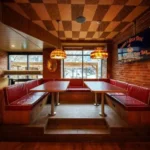
A dining room with commercial-grade chairs, adaptable tabletops, stable table bases, booths, and bar seating offers the software more options. Flexibility becomes valuable because the system has more options for responding when the night refuses to follow the plan.
The result is not a room designed by a robot. It is a room designed with better feedback.
The Host Becomes More Important, Not Less
An algorithm may know that Table 12 is the most efficient choice. It may not know that the guests requested a quiet corner for an important conversation. It may not be noticed that a regular prefers the booth near the back. It may not understand that a parent with a stroller needs a wider path or that an older guest would be more comfortable away from a high-traffic aisle.
Hospitality still depends on people noticing people.
The best system gives the host a recommendation, not an order. It handles the heavy calculation while the staff adds judgment, warmth, and context.
Efficiency Can Go Too Far
A restaurant that chases table turns too aggressively can make guests feel hurried. A system that packs sections too tightly can leave servers stressed and diners overlooked. A layout optimized only for capacity can lose the breathing room that makes a restaurant inviting.
There is also a design risk. If every decision is based on squeezing in more covers, restaurants may start looking too similar. Small tables, narrow gaps, predictable layouts, and limited comfort can make a room technically efficient but emotionally forgettable.
The smartest operators use data as a guide rather than a personality replacement.
A fast-casual lunch spot may value speed and turnover. A neighborhood bistro may protect longer stays. A special-occasion restaurant may prioritize privacy, comfort, and pacing over one additional table.
A Better Floor Plan Learns Over Time
The most interesting part of algorithmic seating is that the system can reveal patterns the team may only sense vaguely.
Perhaps Friday walk-ins arrive earlier than expected. Maybe couples stay longer near the window. Perhaps the bar absorbs more demand than anyone realized. Certain booths may become bottlenecks because they are difficult to reset quickly. A group of two-tops may quietly generate more useful capacity than a large communal table.
Those insights can shape future furniture purchases, renovation decisions, reservation rules, and staffing plans.
In that sense, the algorithm is not simply planning tonight’s seating. It is teaching the restaurant how its dining room actually behaves.
When the Room Feels Effortless
Guests should not notice the algorithm.
They should notice that the wait estimate feels accurate. They should notice that the dining room is lively without feeling packed. They should notice that servers seem present rather than rushed. They should notice that the host remains calm even when the entrance starts filling up.
That is the real promise of smarter seating.
The software can run through possibilities in the background, but the restaurant still needs a point of view. It still needs comfortable furniture, sensible spacing, trained staff, and a clear idea of how guests should feel when they sit down.
Let the algorithm solve the puzzle. Let the people create the experience.

Isabella Fox is a seasoned entertainment journalist with a flair for capturing the essence of celebrity culture. Armed with a Journalism degree and a rich history of red carpet interviews, her articles offer exclusive insights into the lives of the stars. Trusted in entertainment circles, Isabella’s work is a staple in major magazines and online platforms. Beyond the glamour, she champions animal rights and loves outdoor adventures.