There is a certain cafe everyone has a version of in their memory. The light is low and gold, a chair takes your weight like it was waiting for you, and an hour slips by before you think to check the time. You came in for a coffee and a quick break. You left having read half a book, written three emails, and ordered a second pour you hadn’t planned on.
That feeling is not an accident, and it is not really about the coffee. It is the room, and more specifically, it is the furniture in the room. The cafes that hold people the longest tend to choose restaurant furniture that feels residential and warm, then build it to a standard a home chair could never survive, and that quiet contradiction is the whole secret.
A Room That Reads as Home
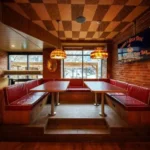
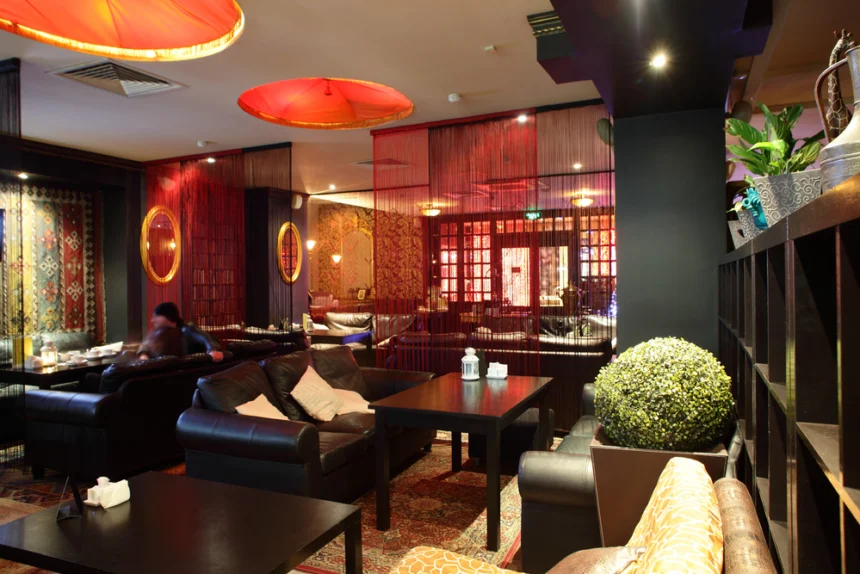
Step into the cozy place and your body relaxes before your mind catches up. The seat has a little give. The table is the right height for a mug and a forearm. The bench along the wall is padded, the corner has a lamp instead of a downlight, and nothing about it announces that you are in a commercial space being measured for turnover.
That domestic feeling is the invitation. People linger where they feel hosted, not processed, and a room furnished like a living room sends that signal in a language guests read without thinking. The soft chair, the worn-in cushion, the table you can settle your things on: these are the cues that tell a person it is fine to stay a while.
Read Also: The TikTok Kitchen Makeover Trend: What’s Actually Worth Buying
The Sound of a Place You Want to Stay In
Comfort is not only what you touch. It is also what you hear, and noise is the thing that empties a cozy room faster than anything else. A relaxed cafe usually lives somewhere around 60 to 65 decibels, the level where a conversation flows without anyone raising a voice. Push past that, into the 75 to 85 decibel range, and an untreated hard room hits at peak, and the coziness evaporates, no matter how nice the chairs look.
This is where soft furnishings earn their place twice over. Upholstered seats, padded benches, and fabric backs absorb sound instead of bouncing it, and the field of acoustics confirms what the ear already knows: a room full of soft surfaces reads as calmer even at the same meter reading as a hard one. A high-backed banquette does double duty, cushioning a guest and blocking the clatter of the table behind them at the same time.
Why Softness Has to Be Built for Abuse
Here is the trap. The residential look is easy to buy and hard to keep, because a home chair sees one household and a cafe chair sees a hundred people a week. The cushion that feels luxurious in a living room flattens, frays, and stains within a season under real traffic.
The cafes that stay cozy for years solve this with commercial-grade upholstery, the kind rated for high rub counts and built over frames that take daily punishment. It looks soft and lived-in on purpose, but the foam holds its loft, the fabric resists the spilled latte, and the frame underneath does not loosen. The guest reads comfort. The operator reads a piece that will still look inviting after thousands of sittings.
The Pieces That Make People Settle
A living-room feeling comes from a small set of choices repeated with care. The cozy cafes tend to reach for the same things:
- Padded benches and banquettes that turn a wall into the warmest seats in the house.
- Chairs with real cushioning and a back that supports long sitting.
- Tables sized for a mug and a laptop, not packed so tight they rush the table.
- Soft, layered light from lamps and sconces rather than a flat overhead grid.
- Fabrics and finishes in warm tones that hide wear and feel domestic.
None of it is loud. All of it adds up to a room that quietly asks you to stay.
The Economics of Lingering
It would be fair to ask whether all this comfort costs an operator a turn, and the honest answer is that the cozy room makes a different bet. A cafe is not a dinner rush. Its money comes from people settling in, ordering again, and bringing a friend next time because the place felt good to be in.
The behavior research backs the instinct. Comfortable, somewhat private seating reliably lengthens the time guests stay and lifts what they spend before they go, because a person who is physically at ease keeps ordering rather than looking for an excuse to leave. The flattened chair and the loud room do the opposite, hurrying people out the door with a smaller check than they would have left if the seat had simply let them relax. Comfort, built to last, is a revenue strategy wearing a soft cushion.
The Long Afternoon as a Business Model
The coziest cafes have understood something the efficient ones miss: the long afternoon is the product. They furnish for the guest who wants to disappear into a corner for two hours, knowing that the guest is worth more than three people hustled through the same seat in a room that never made anyone want to linger.
So the chairs feel like home and the benches feel like an invitation, and underneath the warmth sits furniture engineered for a life no home chair will ever face. That is the trick worth borrowing. Build the room a person never wants to leave, build it to outlast the crowd that fills it, and the long, slow, gold-lit afternoon becomes the thing that keeps the place alive.

Isabella Fox is a seasoned entertainment journalist with a flair for capturing the essence of celebrity culture. Armed with a Journalism degree and a rich history of red carpet interviews, her articles offer exclusive insights into the lives of the stars. Trusted in entertainment circles, Isabella’s work is a staple in major magazines and online platforms. Beyond the glamour, she champions animal rights and loves outdoor adventures.